• Soroptimist International
  • South east asia Pacific

CSW70 Blogs

You are here:

CSW70 Blogs

CSW70 Blogs

CSW70 First Impressions

Blog by Petrice Pesick - Soroptimist International South East Asia Pacific CSW70 Scholarship winner and SISEAP Youth Ambassador.

I landed at 7:30am (a little late) after 24+ hours travelling. The drive from Newark Liberty International Airport into Manhattan took just under two hours, but thankfully the hotel let me check in early so I could shower before heading straight to the UN to collect my grounds pass. 

When I arrived, Wendy Logan (SISEAP CSW scholarship winner) from NZ kindly gave me the Opening General Assembly ticket for SISEAP (only one allowed per NGO), so I was able to sit in the UN General Assembly Hall for the opening session. I sadly missed hearing from Malala Yousafzai and Anne Hathaway, but it was still incredible to listen to a number of world leaders speak.

I then had lunch with the SISEAP group and caught up with Joanne, Donnell, Cherrie and Filomena. After that we queued for tickets to the Townhall, where NGO representatives can ask questions directly to António Guterres, the UN Secretary-General. 
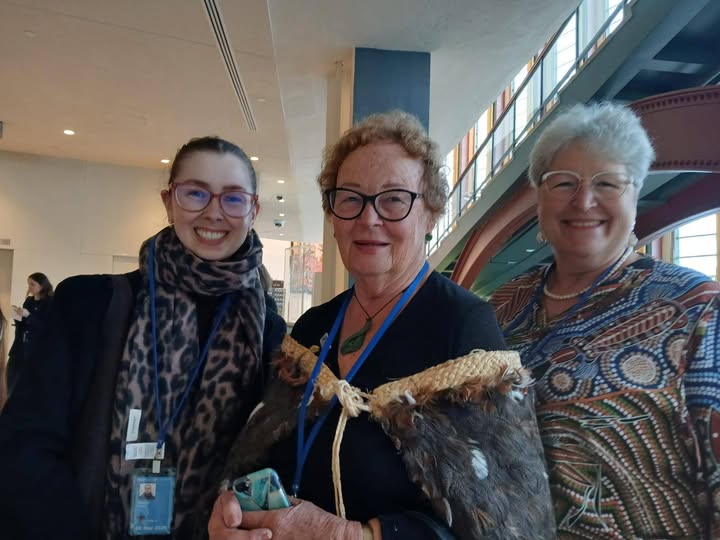
Petrice (L) with Wendy Logan (NZ) and Dr Donnell Davis SISEAP Programme convenor

In the afternoon I attended a parallel event hosted by the International Network of Liberal Women on “Women driving Judicial and Policy Reform in Southeast Asia”. It focused heavily on how internal conflicts across the region are displacing women and girls, particularly in Myanmar and along the Cambodia/Thailand border. There was also discussion about how some large foreign infrastructure and investment projects (often as part of the China Belt and Road initiative) are displacing communities, with women and girls often bearing the greatest impact. 

 On a positive note, attention was drawn to Malaysia and the Philippines where, despite more authoritarian political environments, women hold around 30% of seats in the respective national parliaments. This session was a good reminder that, as Australians, we should not forget about our Southeast Asian neighbours, and the conflicts and displacement taking place in countries close to home. 
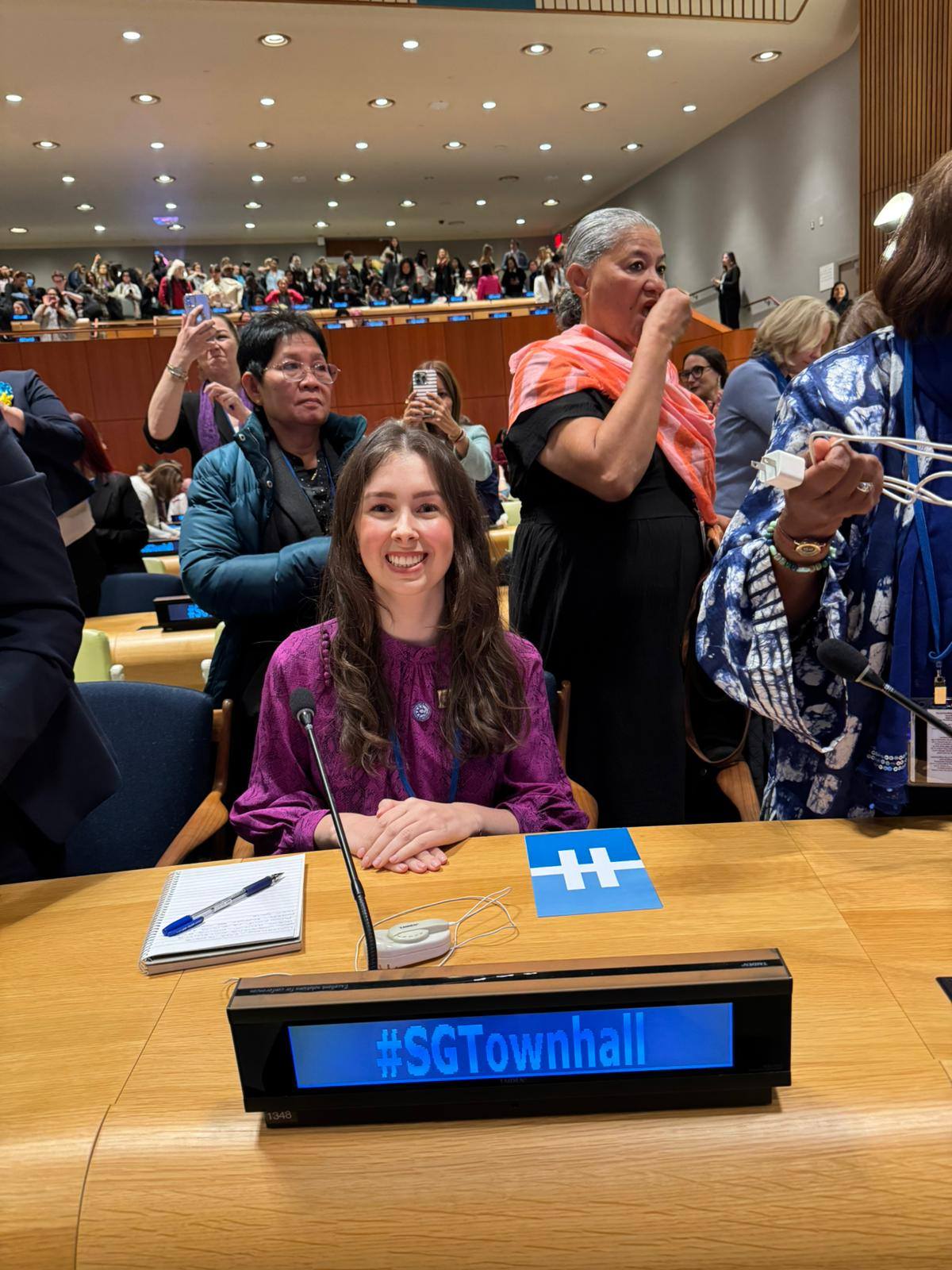
Perice, at the Town Hall which is held in the General Assembly room
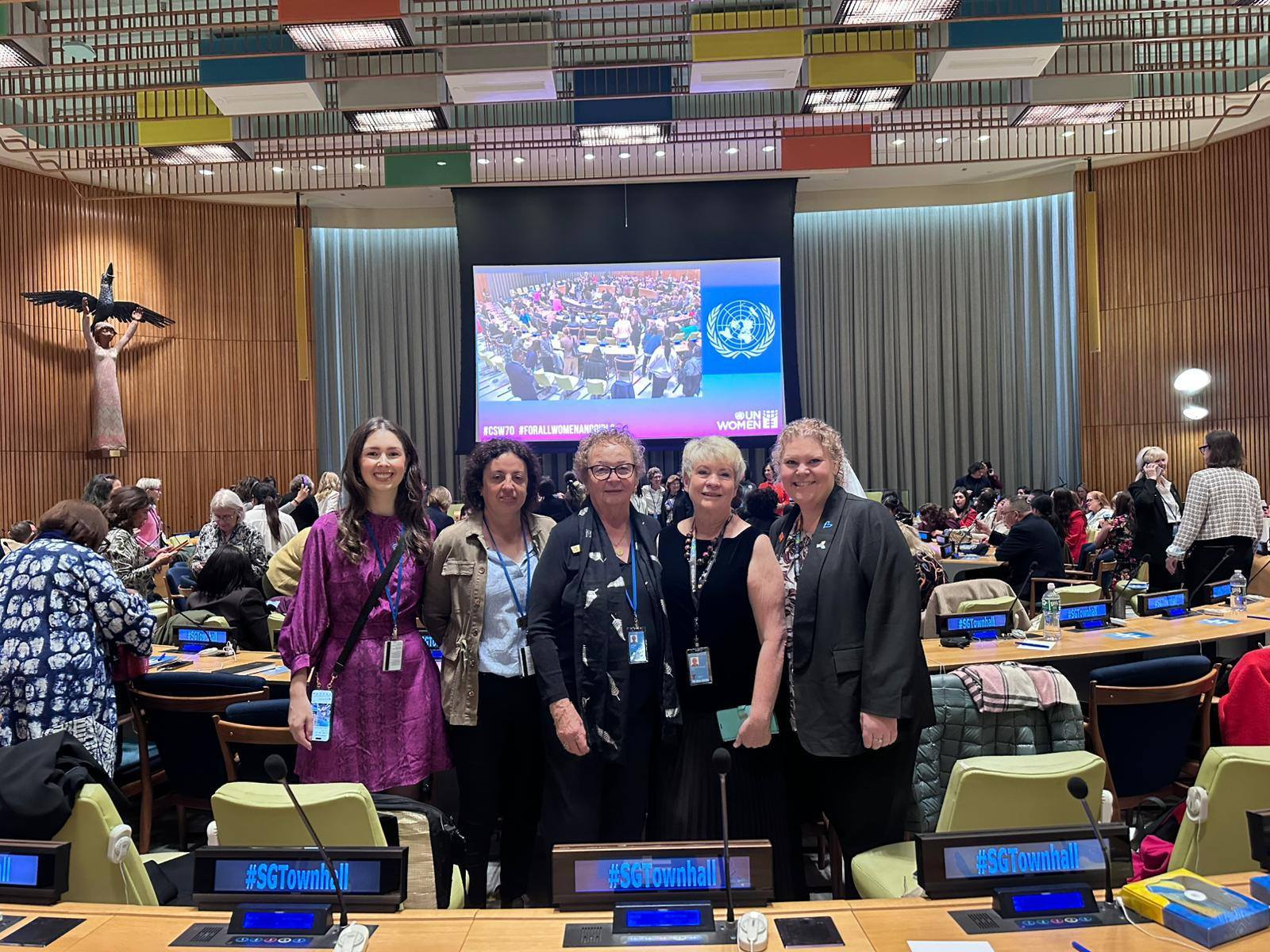
Petrice with SISEAP CSW70 Delegates.

 I finished the day back in the General Assembly where I managed to secure an afternoon ticket just in time to see the Agreed Conclusions voted and passed. It was quite a tense session after the USA proposed several amendments (linked to Donald Trump’s policy positions) which one SI delegate described as “retrograde”. Member states ultimately voted not to consider those amendments individually, and the Agreed Conclusions were adopted - with the US the only state voting against them. This marked the first time in the 70-year history of the Commission that the Agreed Conclusions were not adopted by consensus! After the vote, several countries spoke, including Germany, expressing disappointment about how the process had unfolded.

On the second day, I started with the SI debrief where SI Advocacy Advisor (Research/Violence), Linda Witong, explained what had unfolded in the General Assembly the day before, and what the USA’s proposed amendments would have meant for women and girls – including a definition of “gender” which would have only included biological women. 

 I then attended the Townhall Meeting, which was an amazing experience listening to Secretary-General Antonio Guterres answer tough questions from the NGOs . Before it began, I met SI Americas President, Sue Riney, and her husband -who is also a Soroptimist member (and even their son is a member!).  

His Excellency applauded civil society groups such as SI for “shaking the foundations of privilege” in a male-dominated world. He emphasised the important role civil society plays in the decision-making processes, noting that participation of civil society enriches those discussions because we often have a deeper understanding of the issues affecting women than governments alone. 

Some of the memorable quotes included: 

 “You may face threats, intimidation and harassment. When you push for change, you are pushing against the patriarchy, and the patriarchy is pushing back.”

 “You can count on me to be with you, now and always, and together, we will say loud and clear: no to the pushback, no to the rollback, no to going back, no surrender,” 

 “We will never, ever give up.

Another highlight of the day was meeting fellow youth Soroptimist representatives at CSW70 and having a productive meeting with Berthe De Vos-Neven, SI Director of Advocacy, about how we can better engage young members and publicise the fact that SI does have a strong youth presence. We are now working towards a goal of young members delivering a side event at CSW71 – so watch this space!

It was inspiring to meet youth members from across the world: from eClubs in Italy, a club on the border of Mexico and California (El Centro), a young woman who is a member of both a Toronto club and a Kenyan club, and another who has just established a club for young members in London.
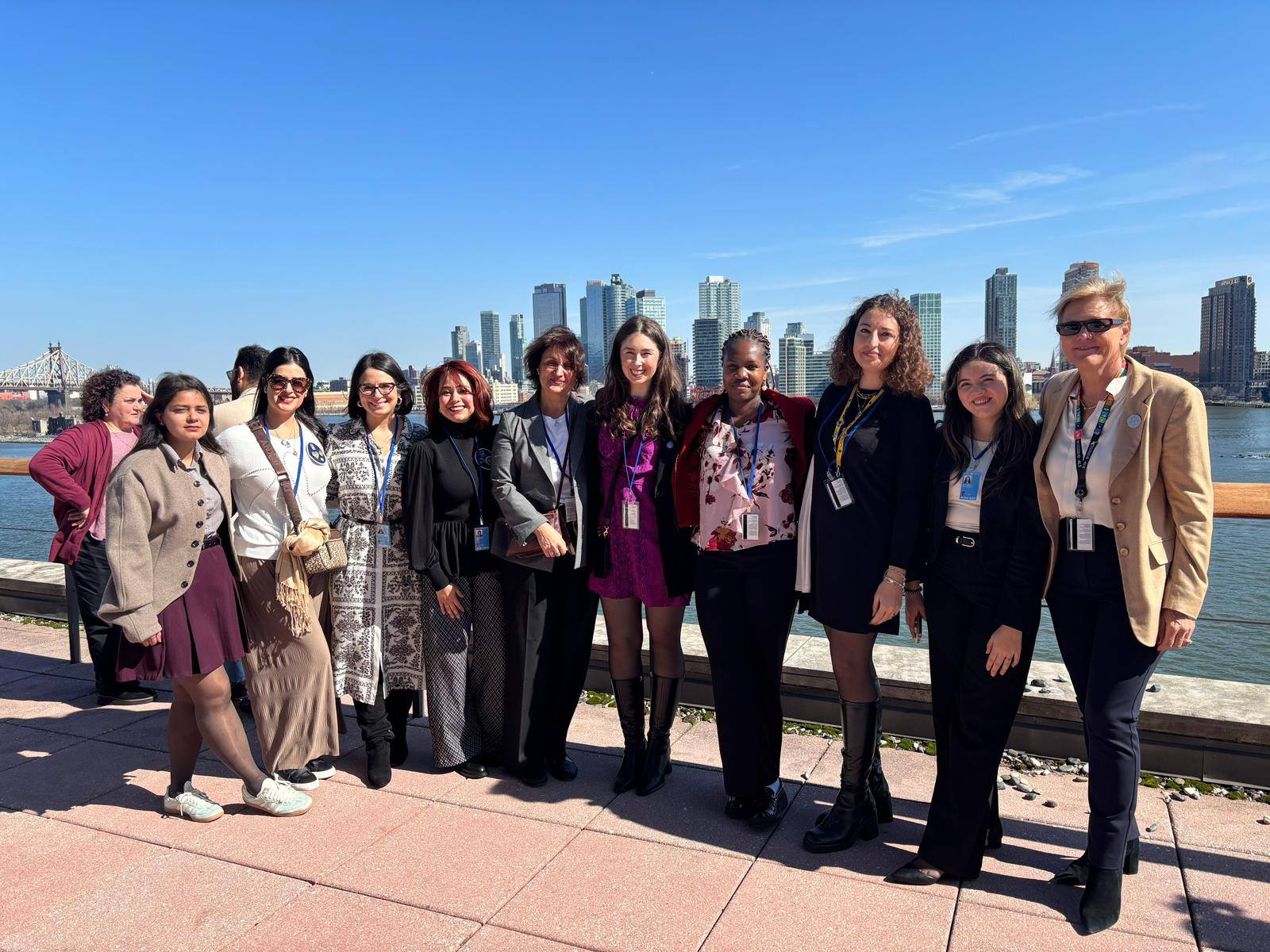
Soroptimist International Youth Ambassadors at CSW70

Following that meeting I attended a side event hosted by Turkiye, Azerbaijan, Montenegro, Sierra Leone, UN Women and KADEM on “Future of Justice: Technological Pathways for Women’s Access”. It was very interesting to hear how these countries are using technology to improve women’s access to justice.

For example, in Türkiye there is a free hotline for domestic violence victims, and in Azerbaijan they are moving toward an electronic court system that allows women to appear remotely, making the process easier for those with caring responsibilities. However, there are still challenges to address, including:

  • Removing harmful online content targeting women more quickly; and
  • Ensuring government legal and regulatory websites are available in local languages to make justice systems more accessible.

The Australian debrief, led by the Australian Human Rights Commission Sex Discrimination Commissioner, Dr Anna Cody, was very insightful and provided an excellent opportunity to meet other Australians representing NGOs. Representatives shared what they had been attending at CSW70, and there appears to be a common theme emerging across many events: the prevalence of gender-based violence and the urgent need for action to eradicate it.

On a positive note, Australia is being recognised internationally as a leader in online safety, particularly because of the work of the eSafety Commissioner.

I finished the second day with the SI Reception, which was a wonderful opportunity to meet Soroptimist members from around the world.
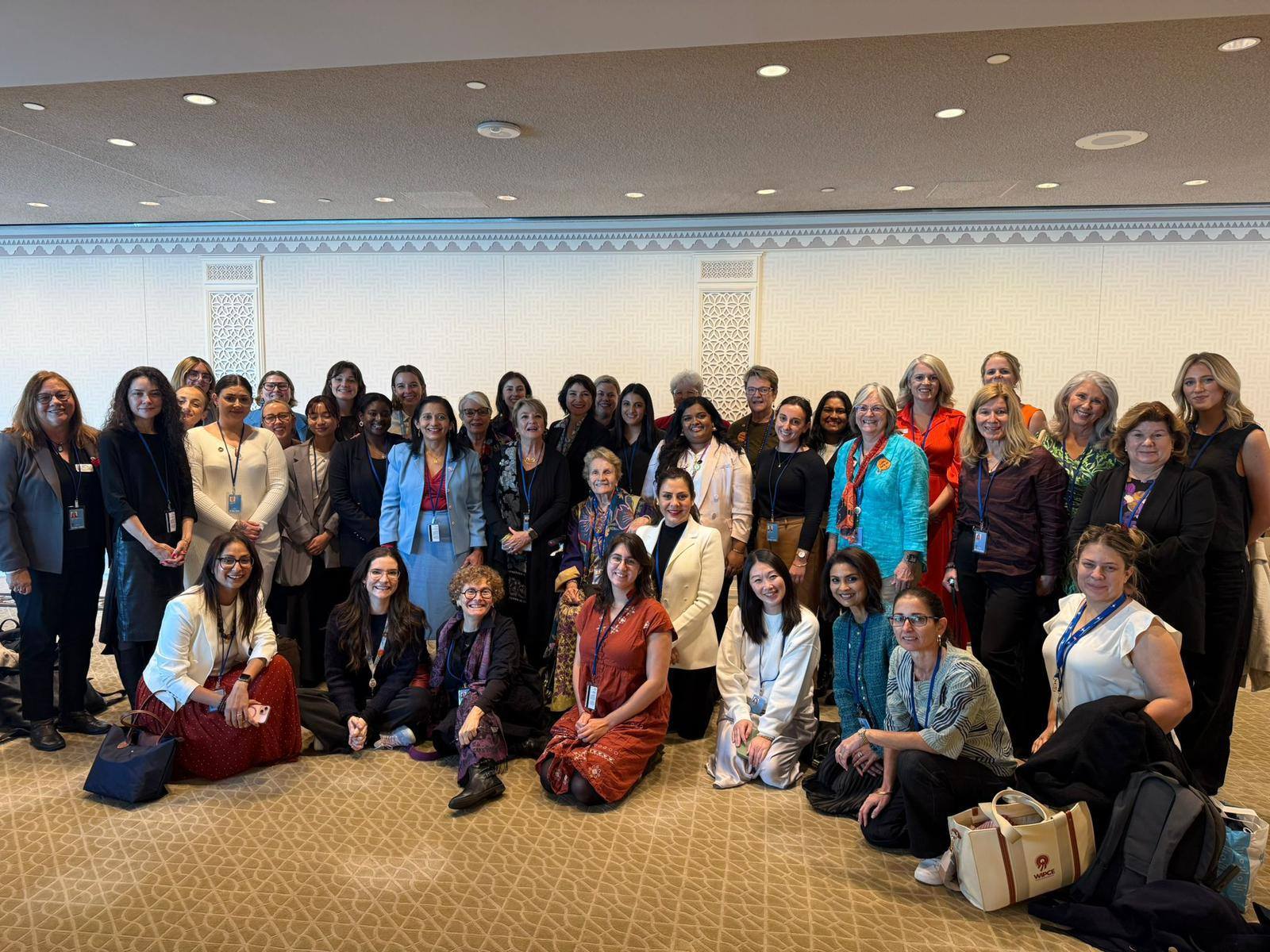
Australian CSW70 Delegation at their daily Meet up
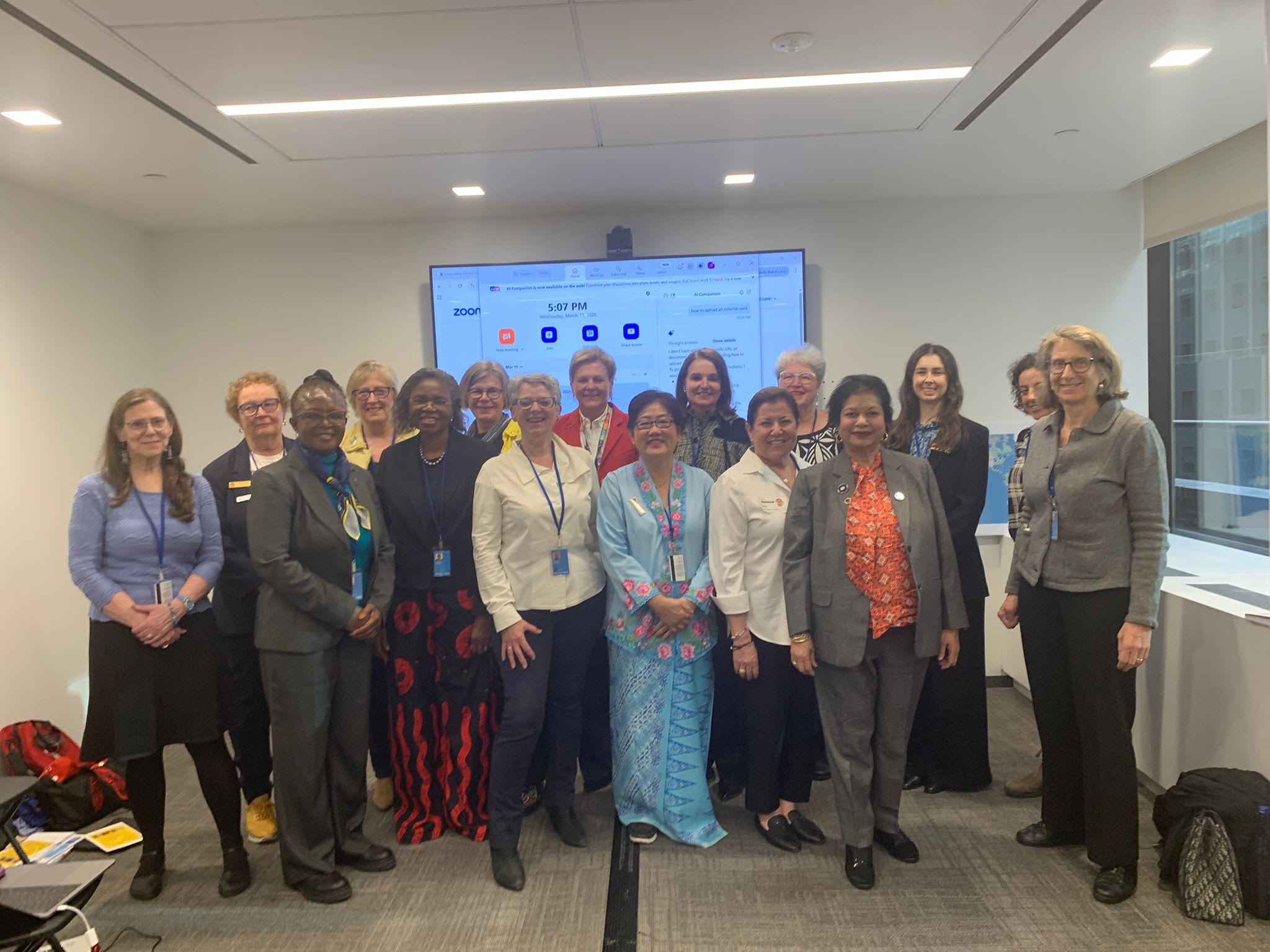
Continue reading

Day 3: Perspectives 

Blog by Petrice Pesick - SISEAP Youth Ambassador

Session: Bridging the Justice Gap: Feminist approaches to access to Justice across Multi-Level Governance Systems 

Hosted by:  Zonta International and the Australian Government

Speakers included: 

  • Dr Anna Cody – Australia’s Sex Disrcimination Commissioner 
  • Jahna Cedar – Co-chair First NationsX
  • Bridget Mather – Chair, Zonta Australia

Moderator: Sandy Venn-Brown – Vice President, Zonta International.

What a way to start the day! 

This session really opened my eyes to the power, and responsibility, of local governments in making communities safer for women. Local governments design many aspects of the environments we move through every day: transport routes, lighting, public spaces and infrastructure. These factors significantly influence whether women feel safe in their communities. Something as simple as improved lighting or better-designed transport routes can make a real difference, so stronger engagement with local government is essential when designing solutions to gender-based safety issues. 

I particularly enjoyed listening to Jahna Cedar, a First Nations woman from the Pilbara, who spoke about the challenges faced by First Nations women and communities in Australia. Her perspective highlighted how important it is to include Indigenous voices in policy discussions.

A strong theme from this session was that women with lived experience must be at the centre of advocacy and the design of solutions. Policies are far more effective when the people most affected are involved in shaping them.


Session: Youth Voices for Global Justice: Bridging US, Iran and Ukraine

Hosted by: Women NC

This event brought together young leaders from the United States, Iran and Ukraine to examine the state of women’s rights, highlight the role of youth in advancing justice, and confront the realities of authoritarianism and war.

The panel was incredibly inspiring and demonstrated how youth activism can drive progress on peace, democracy and gender equality across borders. 

One speaker who particularly stood out was Caroline Joo from Duke University, who is working on a project to make dental care more accessible for pregnant mothers. It was fascinating to hear about something we rarely consider - “smile discrimination.” A person’s smile can significantly affect employment opportunities and economic stability, particularly in customer-facing roles where women are overrepresented. 

Another speaker, Sara, spoke about child marriage in Iran. The current legal age of marriage for girls is 13, although girls can be married even younger with judicial approval. What surprised many in the room was that prior to the Iranian Revolution, the legal age of marriage for women had been raised to 18. After the revolution, it was reduced dramatically before later being adjusted to the current law. 

Sara made a powerful point: women’s rights cannot be safeguarded when power is concentrated in the hands of a small group of men

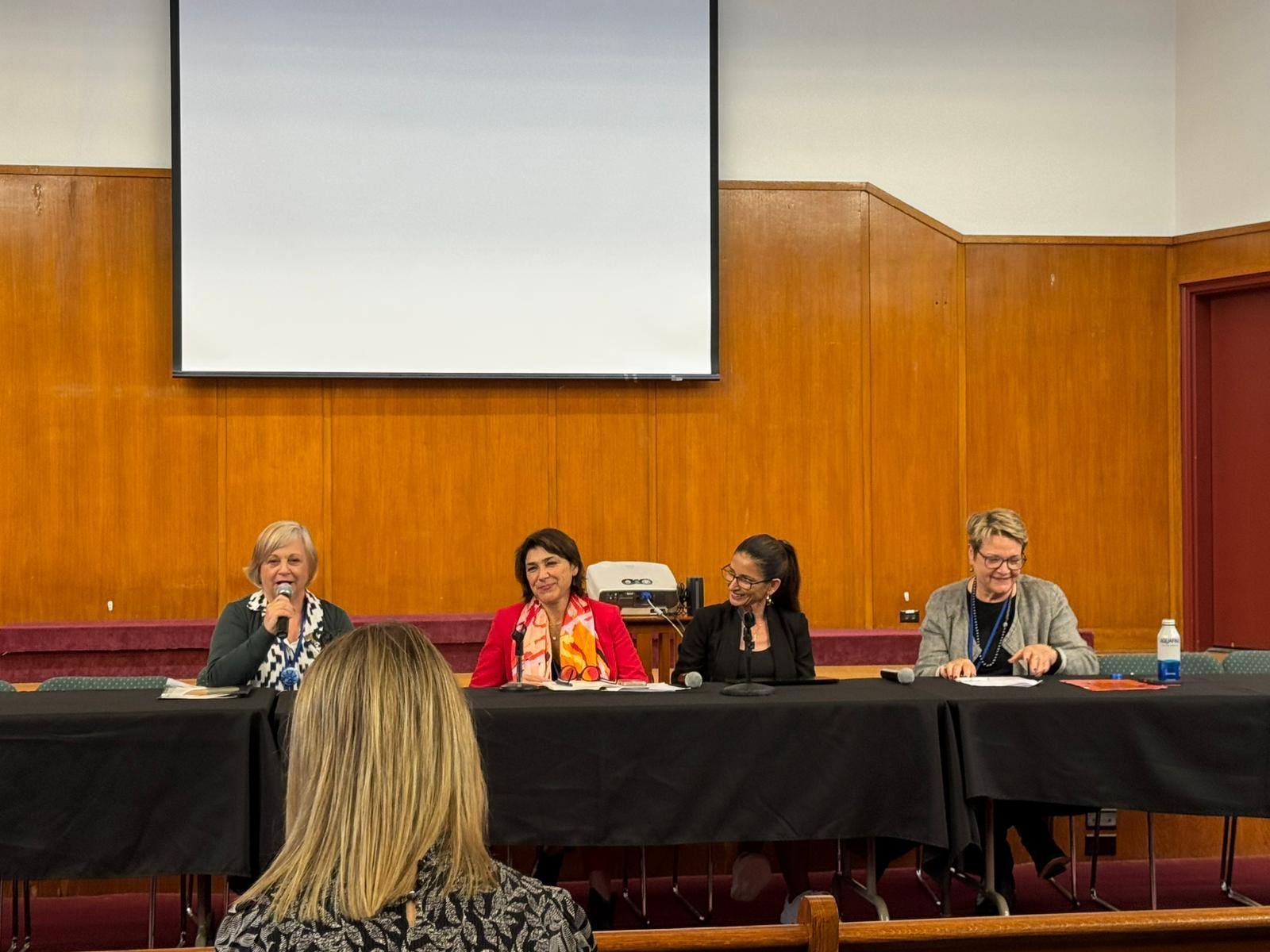
President Joanne (centre) after speaking at the two Soroptimists events.

Session: Access to Education in the Digital Era: Lifelong Learning for All Women and Girls

Hosted by: Soroptimist International

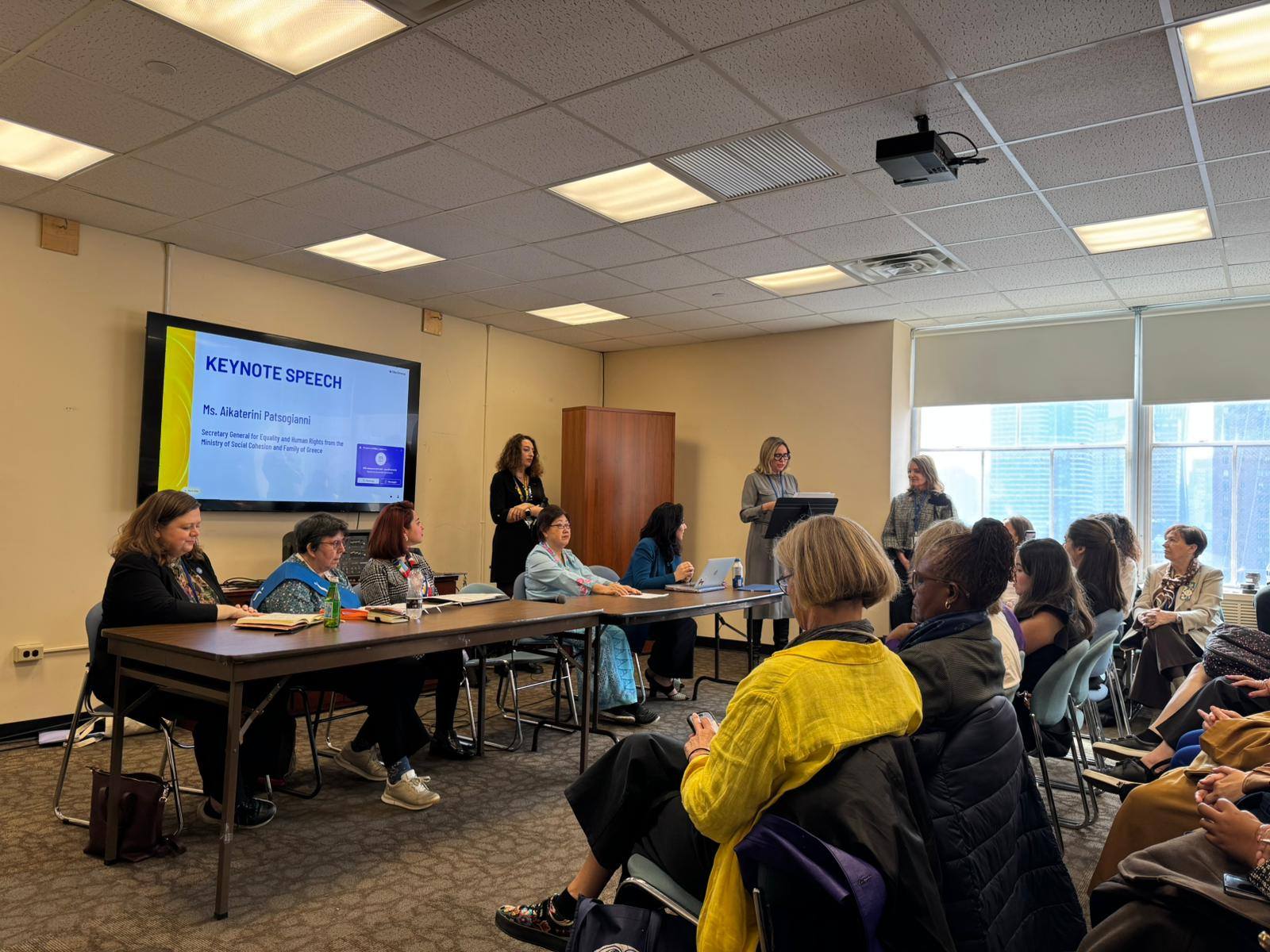
At this event we heard from various speakers, including Ms Aikaterini Patsogianni, Secretary General for Equality and Human Rights at the Ministry of Social Cohesion and Family in Greece.  

Ms Patsogianni spoke about growing up in Volos, where there is a strong Soroptimist presence. She also noted that in 2025 Greece passed new legislation criminalising digital violence, which is an important step in addressing technology-facilitated abuse.  

The session focused on the importance of lifelong learning. Often we associate education only with school or university, but access to learning opportunities throughout life is essential for gender equality.  

Some interesting takeaways included:

  • In the United Kingdom there is a program called the University of the Third Age, where retired or semi-retired people can learn new skills and participate in education in later life.
  • Around 750 million people worldwide lack basic literacy, and two-thirds of them are women.


Session: Civil Society Briefing: Agreed Conclusions – Negotiations Report 

I then made it across the UN complex to attend a civil society briefing on the Agreed Conclusions negotiation process for CSW. 

This session was extremely informative because I did not previously know much about how the Agreed Conclusions are negotiated. 

The Agreed Conclusions are the main outcome document of the Commission each year and outline commitments and priorities for advancing gender equality globally. They are negotiated by UN Member States during the two weeks of the Commission.  

We learned that the first draft circulated this year was only four pages, which has since expanded to around nine pages – still much shorter than usual, as in previous years the document has often been around 25 pages.  

There was also a lot of discussion about the unusual voting process this year. Traditionally, the Agreed Conclusions are adopted by consensus, meaning all Member States agree without a formal vote. However, this year a vote was required after the United States proposed several amendments that many states opposed. Member States voted not to consider those amendments, and the final text was adopted with the United States voting against it.  

NGO representatives were very interested in whether voting might become more common in future CSW sessions. The briefing suggested this may happen again, but it reflects a broader trend at the United Nations where consensus is becoming harder to achieve across a range of negotiations.


Session: Water: Our Most Essential Resource

Hosted by: Soroptimsit International 

After a quick lunch break, I went along to support Donnell and Joanne at this Soroptimist event held at the Commonwealth Secretariat.  

We heard several concrete examples of the incredible work Soroptimists are doing around the world. For example, Soroptimists in Malaysia have implemented projects to improve access to safe, clean drinking water in local communities. 

Another example from Africa highlighted that in some communities there is plenty of water available, but not the infrastructure to store or distribute it safely. Soroptimists have helped address this by supporting the construction of water storage systems.   

I finished the day with a lovely dinner with the SISEAP delegates – and I certainly can’t complain when dinner involves pasta! 

Continue reading

Women and Girls Participation and Agency in the Climate Crisis

Blog by Sarah Bambrook - SI Melbourne 

Organiser: Society for the Psychological Study of Social Issues (SPSSI)
Date: 10 March 2026, 12:30 PM
Format: CSW70 Parallel Event

As global temperatures rise, studies show that rates of violence rise as well. This striking insight opened a CSW70 parallel event exploring how the climate crisis affects not only the environment but also safety, health, and gender equality.

The panel brought together researchers, physicians, psychologists, and social scientists from several countries to examine how climate change is intensifying existing gender inequalities. Environmental disruption contributes to displacement, poverty, and reduced access to education, employment, and healthcare for women and girls across the life course.

A particularly compelling presentation focused on the leadership of Indigenous women. Dr Ángela María Pinzón Rondón described how climate change intersects with health, land, food systems, and community wellbeing. Indigenous women are often at the forefront of protecting ecosystems and cultural knowledge while advocating for climate justice within their communities.

Speakers also highlighted practical strategies to strengthen women’s leadership, including recognising Indigenous women’s environmental knowledge, ensuring women’s representation in climate decision-making, and supporting community-led resilience initiatives in which women play central roles.

The discussion also explored the psychological and social dimensions of climate change, including its impacts on migration, mental health, and community stability.

Panellists included: Angela María Pinzón Rondón, Erinn C Cameron, Laura Lopez-Aybar, Sheri R Levy, Meroona Gopang, Kimberly Kahn, and David Livert.

This discussion connects closely with the Soroptimist International pillars of Environment, Health, and Empowerment, highlighting how advancing gender equality is central to building resilient communities in the face of the climate crisis. As the discussion made clear, tackling the climate crisis is not only about protecting the planet, it is about recognising and supporting the leadership of women and girls who are already building more resilient communities.

Continue reading

Session:  Signals of Safety: When Technology Listens to Women

Organiser: Sarah Barnbrook, Soroptimist International South East Asia Pacific /Founder Away from Keyboard Inc. and Dr Tamara Polajnar, CEO and Founder herEthical AI

Blog by:  Sarah Barnbrook, SISEAP - SI Melbourne Inc. 

How can technology recognise the early signals of harm before violence escalates? This question was at the centre of the CSW70 virtual parallel event “Signals of Safety: When Technology Listens to Women,” which I co-presented with Tamara Polajnar. The session explored how artificial intelligence and digital systems can both amplify harm and provide new opportunities to identify risk earlier and create safer digital environments.

I opened the session by discussing how harm in digital environments now occurs at an extraordinary scale and velocity, with algorithms and recommendation systems capable of amplifying harmful behaviour across millions of interactions in a matter of moments. What may appear sudden is often the rapid escalation of patterns in behaviour, language, and engagement that have been developing beneath the surface. Recognising these early signals is essential if we want to move beyond reactive responses and design systems that identify risks sooner and prevent harm before it escalates.

As Co-Lead for Soroptimist International Australia’s National Project, Digital Safety Futures, I highlighted the importance of ensuring that women’s lived experiences inform technology governance and digital safety policy. I also spoke about my work as a volunteer with Away From Keyboard (AFK) Inc., the charity I founded to advocate for safer digital environments and to highlight how digital harms often extend beyond online platforms into homes, schools, workplaces, and communities.

Dr Tamara Polajnar shared research demonstrating how ethical AI can analyse patterns in language and behaviour to detect misogynistic abuse, grooming patterns in romance fraud, coercive control, and victim-blaming language. Her work shows that many forms of abuse are not visible in single messages but instead emerge through patterns of behaviour over time.

During the session I also introduced the Alt-TAB Ethical Technology Assessment Tool, currently in development through AFK Inc. The tool is designed to help organisations understand the potential risks associated with the technologies they are developing or adopting. It encourages organisations to consider cybersecurity resilience, technology-facilitated gender-based violence, child safeguarding, and broader human rights impacts before AI systems are deployed.

I also shared my ongoing research examining how algorithmic duty of care can be operationalised within algorithmic recommendation systems, particularly in relation to protecting women and children in digital environments. As recommendation systems increasingly shape what information people see and how behaviour spreads online, ensuring appropriate safeguards is urgent. I invited participants interested in assisting with testing and contributing global perspectives and data sets to contact me to help strengthen this research.

This discussion aligns closely with the Soroptimist pillars of Education, Leadership, Empowerment of Women and Girls, and Freedom from Violence, highlighting the importance of ensuring technologies are designed and governed in ways that support safer digital environments for women, girls, and children.

Continue reading

SISEAP Membership

Soroptimist International is a global movement of women, with members belonging to more than 3,000 clubs in 126 countries/territories, spread over 5 Federations